If you blame someone—even if they are truly the culprit—scolding them might give you a temporary sense of relief. But if you persist in your accusations, standing there and shouting, “You’re a bad person! You’re a bad person!" they will eventually become numb. The “bad person" simply won’t care anymore. Constant blaming is just a waste of your time; it won’t move them at all.The funniest part is this: if you continue to fixate on and blame them, it implies that you actually “love" having that bad person around. You can’t seem to distance yourself from them, and that’s why you keep pointing the finger. (Laughs)The truth is, blame does not lead to progress. If your criticism could actually correct someone’s behavior, that would be great. But you cannot correct a “bad person" through blame.
The only way to guide someone back is through love, compassion, and communication. Blame is simply the absence of communication.如果你指責一個人,就算他真的是一件事的罪魁禍首,鬧佢或許你會出左啖氣,但如果你繼續責備,站在街上不停鬧:「你個衰人! 你個衰人!」,佢只會變得麻木,衰人不會在乎,責備只會浪費你的時間,衰人不會觸動的。
最好笑既係,如果你繼續指責,這意味著你真的很喜歡衰人。你無法遠離佢地,這也是為什麼你不停指責佢地~(笑
所以,指責不會讓結果有所進展。假如你既指責,可以糾正別人,那很好,但是你無法用指責來糾正衰人。
你只能用愛,慈悲和溝通去導正他,指責意味著沒有溝通。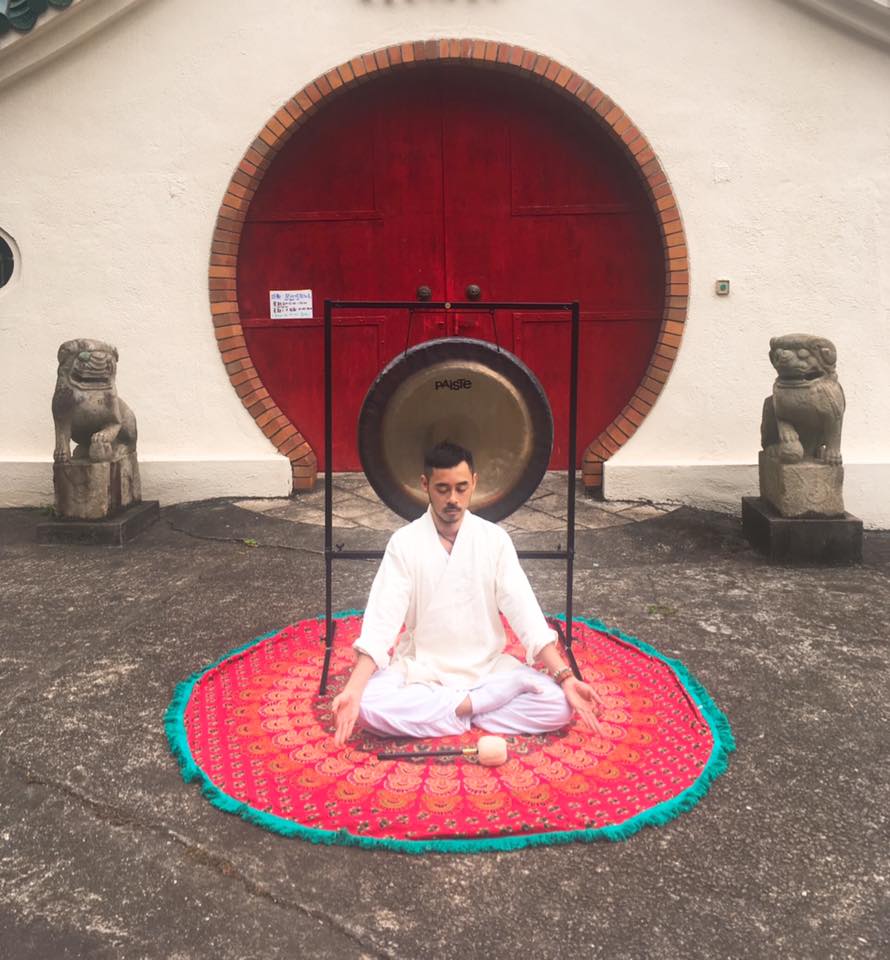
On Blaming Family and the Mirror of the Self 如果指責是你的家人呢?
What if the person you are blaming is a family member? Blaming them brings no reward; instead, it often breeds more problems. Rather than resorting to blame, use this as an opportunity to practice maintaining your inner peace.
When you feel the urge to blame, first analyze your true intention:
- Are you genuinely trying to correct their behavior?
- Or are you merely blaming them to vent your own emotions?
Venting your emotions or attacking someone only reveals a lack of maturity or underlying jealousy. If blame is rooted in anger, envy, or hatred, it is inherently ineffective and will never yield a positive result. Criticism only works when it is infused with compassion and genuine care.
For instance, if you internally criticize someone for being rude, remember that this is often a mirror. It reflects a hidden seed of rudeness within yourself; otherwise, you wouldn’t be so triggered by it. In those moments, we should reflect inwardly and feel grateful for their behavior. Their rudeness serves as a wake-up call, reminding us not to mirror that same lack of grace.
這也不會有任何回報的,反而可能會有更多的問題,與其責備他們,倒不如用這個機會去練習保持平靜~
當你指責別人,首先去分析你指責的目的是什麼。
你想要糾正這個人?
或者你去責備只是因為你想要發洩你的情緒?
發洩你的情緒,或去責備某人只顯示出你是那麼的不成熟,有那麼多的嫉妒~
如果指責是出於憤怒,嫉妒和恨意,是起不了作用的,也不會產生任何結果。
如果批評是帶著慈悲和關懷,那才會起作用。
又例如你心入面鬧對方:這人那麼粗魯?其實就像鏡子一樣反應你內心也藏著粗魯的一面才會看到對方的不是,那時候,我們應反省自己,應該感恩對方的粗魯行為,令我們覺察自己是不是不應跟對方一樣的無禮~
>>>>>
The Path of the Yogi:When a Yogi encounters blame, they transmute it into a benefit. To be a Yogi means possessing a certain height of wisdom—the ability to witness both praise and blame while maintaining perfect mental equilibrium.
瑜伽行者遇到指責時,他會將指責化為益處。瑜伽行者的意思是: 他擁有一定的智慧高度,會看到人們對他的讚美和指責,兩者都能保持心理的平衡~
Sat Nam🙏🏾👳🏾♂️

 網站標題
網站標題 